










How Culture and Heritage Are Powering Economic Growth Across the MENA Region
Culture and heritage are emerging as key economic growth drivers across the MENA region. From Saudi Arabia’s AlUla and Egypt’s Grand Egyptian Museum to Gulf creative industries and cultural festivals, governments are shifting from volume-based tourism to value-driven strategies focused on sustainability, authenticity and diversification.

The Middle East and North Africa (MENA) region is undergoing a strategic transformation in how it positions culture and heritage within economic policy. Once viewed primarily as symbols of identity and history, heritage assets are now being treated as core economic infrastructure. Governments across the region are investing in restoration projects, museums, creative districts and cultural festivals to stimulate tourism growth, diversify economies and strengthen global competitiveness.
As international travel shifts toward experience-led journeys, cultural tourism is emerging as one of the most valuable and sustainable growth segments in the region.
The Shift from Visitor Volume to Visitor Value
In recent years, countries such as Morocco, Egypt and the United Arab Emirates have recorded strong tourism growth. However, the more important development is not simply the number of arrivals — it is the shift toward higher per-visitor spending and longer stays.
Cultural tourists typically spend more, remain in destinations longer and demonstrate stronger emotional connection to places. This translates into repeat visits, positive word-of-mouth promotion and greater economic multipliers across hospitality, retail, transport and local services.
Instead of competing on affordability or mass tourism, MENA destinations are increasingly differentiating themselves through authenticity, heritage depth and curated cultural experiences.
AlUla: A Model for Heritage-Led Development
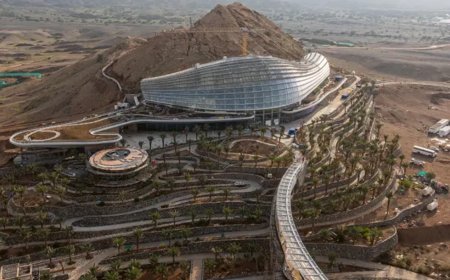
Saudi Arabia’s AlUla represents one of the region’s most ambitious heritage-led economic initiatives. Known for its dramatic desert landscapes and UNESCO-listed archaeological sites, AlUla is being developed as a global cultural destination.
The strategy combines conservation, infrastructure development and community participation. Investments in eco-lodges, heritage site restoration, guided cultural tours and artisan support programmes are generating employment while preserving historical authenticity.
AlUla illustrates how heritage assets can drive economic diversification under long-term sustainability frameworks, particularly within the context of Saudi Arabia’s broader tourism expansion strategy.
Egypt’s Cultural Infrastructure as an Economic Catalyst
Egypt’s tourism strategy continues to centre on its globally recognised archaeological legacy. The Grand Egyptian Museum, positioned near the Pyramids of Giza, represents a landmark investment in cultural infrastructure.
Large-scale museum projects generate direct visitor revenue while stimulating indirect growth in hotels, restaurants, retail and transport services. By modernising heritage presentation and improving visitor experience, Egypt is strengthening its appeal to high-value cultural travellers.
When integrated with urban development and transport planning, such investments create sustained economic impact beyond ticket sales.
The Rise of Creative Industries in the Gulf
Heritage-driven growth in the Gulf extends beyond monuments into contemporary cultural production. Saudi Arabia, the UAE and Qatar are rapidly building creative economies that include film, design, music and performing arts.
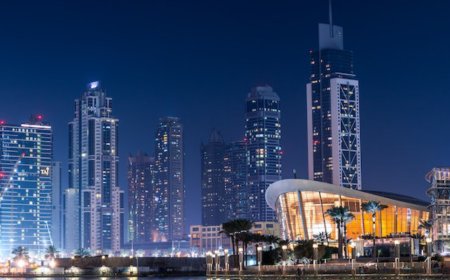
Dubai’s Alserkal Avenue has developed into a regional arts hub, while Doha’s design districts anchor Qatar’s cultural innovation ecosystem. In Saudi Arabia, large-scale entertainment initiatives such as Riyadh Season and MDLBeast Soundstorm attract international audiences and stimulate domestic tourism.
Globally, cultural and creative industries contribute trillions of dollars to economic output and support millions of jobs. For Gulf economies seeking diversification beyond oil revenues, these sectors offer a scalable and sustainable growth engine.
Governance, Sustainability and Community Inclusion
While heritage-led tourism offers strong economic returns, it also presents governance challenges. Over-commercialisation, insufficient environmental protections and exclusion of local communities can weaken long-term competitiveness.
Successful cultural tourism strategies depend on:
-
Sustainable visitor management systems
-
Clear environmental certification frameworks
-
Affordable public access policies
-
Skills development and local employment pathways
-
Cross-ministerial coordination between culture, tourism, environment and infrastructure authorities
Balanced governance ensures that cultural assets remain authentic and socially inclusive rather than commodified.
Regional Collaboration and Cultural Corridors
There is growing potential for cross-border cooperation across the MENA region. Reviving historic trade routes, linking Mediterranean heritage cities and promoting multi-country cultural itineraries could increase regional integration.
Shared storytelling around Islamic, Christian and Jewish heritage sites, as well as ancient civilisations, can enhance the region’s soft power while encouraging longer visitor stays.
Strategic coordination would allow the region to compete collectively in global tourism markets rather than operating in isolation.
A Long-Term Competitive Advantage
The reconceptualisation of culture and heritage as economic infrastructure reflects a broader shift in development thinking. Cultural differentiation is increasingly viewed as a renewable competitive advantage rather than a finite resource.
Early indicators — including rising tourism revenues, stronger global competitiveness rankings and growing private-sector investment — suggest that the value-based tourism model is gaining traction.
If supported by disciplined governance and sustainable investment practices, culture-led development can deliver durable economic growth while preserving the authenticity that defines the region.
Conclusion
Across the Middle East and North Africa, culture and heritage are evolving from passive historical assets into active drivers of economic transformation. From AlUla’s archaeological revival and Egypt’s museum expansion to Gulf creative industries and festival economies, the region is building a tourism model grounded in authenticity, sustainability and high-value experiences.
The long-term success of this strategy will depend on careful stewardship, community engagement and regional collaboration. With the right balance, heritage can serve not only as a reflection of the past but as a foundation for future prosperity.
What's Your Reaction?
 Like
0
Like
0
 Dislike
0
Dislike
0
 Love
0
Love
0
 Funny
0
Funny
0
 Angry
0
Angry
0
 Sad
0
Sad
0
 Wow
0
Wow
0