





















Future of Recruitment in the GCC Catering and Hospitality Industry: Talent Strategies for a Rapidly Expanding Sector
The GCC catering and hospitality industry is expected to require more than 800,000 additional employees by 2030 as tourism development and hotel expansion accelerate across the region. To meet this demand, hospitality companies are transforming recruitment strategies through AI-powered hiring tools, data-driven recruitment analytics, and stronger employer branding initiatives. Businesses are also investing in internal talent development and recruitment outsourcing to build sustainable workforce pipelines. As competition for skilled professionals intensifies, modern recruitment strategies will play a critical role in supporting the future growth of the GCC hospitality sector.

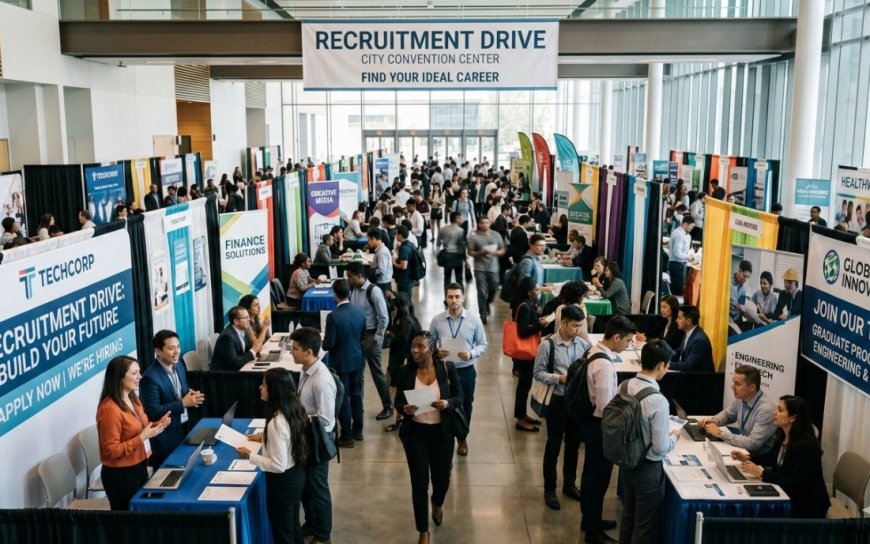
GCC Hospitality Growth Driving Massive Talent Demand
The catering and hospitality industry across the Gulf Cooperation Council (GCC) is preparing for a major workforce expansion as tourism and large-scale hospitality developments accelerate across the region. Industry projections suggest that the sector may require more than 800,000 additional employees by 2030 to support new hotels, resorts, restaurants, catering operations, and tourism infrastructure.
Countries including the United Arab Emirates, Saudi Arabia, Qatar, Bahrain, Kuwait, and Oman are investing heavily in tourism-led economic diversification strategies. Mega tourism projects, luxury resorts, destination developments, and international events are creating significant employment opportunities across the hospitality value chain.
However, the pace of industry growth is also putting pressure on recruitment systems, forcing companies to rethink how they attract, hire, and retain hospitality talent.
Key Recruitment Challenges in the GCC Hospitality Sector
Hospitality companies in the GCC are currently navigating several workforce challenges that are reshaping recruitment strategies.
One of the most pressing issues is high employee turnover, which remains common in hospitality environments. Frequent job transitions mean hotels and catering companies must continuously recruit and train new staff.
At the same time, there is increasing demand for professionals with specialized expertise, including digital marketing, revenue management, sustainability practices, culinary innovation, and guest experience technology.
Competition for talent has also intensified as hospitality businesses compete with sectors such as aviation, retail, logistics, and entertainment for skilled professionals.
These factors are pushing hospitality companies to modernize their recruitment approaches and develop stronger talent pipelines.
Digital Technology Reshaping Recruitment Processes
Technology is playing a central role in transforming recruitment across the GCC hospitality industry.
Artificial intelligence tools are increasingly used to automatically screen resumes, identify suitable candidates, and prioritize applications based on job requirements. This helps recruitment teams manage large volumes of applications while reducing the time needed to fill vacancies.
Many hospitality companies are also implementing Applicant Tracking Systems (ATS) to centralize candidate data and streamline hiring workflows.
Virtual recruitment tools, including online interviews and digital onboarding platforms, have also become widely adopted. These technologies enable companies to connect with international candidates more efficiently and expand their global talent reach.
Data Analytics Improving Hiring Decisions
Data-driven recruitment is becoming a strategic advantage for hospitality operators across the GCC.
Human resource teams are increasingly analysing recruitment metrics such as time-to-hire, candidate sources, recruitment costs, and employee retention rates.
These insights allow companies to identify the most effective hiring channels, optimize recruitment campaigns, and improve workforce planning.
Advanced analytics tools can also help predict employee performance and long-term retention potential, allowing businesses to make more informed hiring decisions and reduce turnover.
Candidate Experience Becoming a Competitive Advantage
In an increasingly competitive labour market, candidate experience has become a key factor in successful recruitment.
Hospitality employers are focusing on creating clear, transparent, and efficient hiring processes. This includes mobile-friendly job applications, timely communication during the recruitment process, and providing constructive feedback to candidates.
A positive candidate journey not only improves acceptance rates but also strengthens an organization’s reputation as an employer of choice within the hospitality industry.
Employer Branding Influencing Hospitality Talent Attraction
Employer branding has become a powerful recruitment tool for hospitality companies seeking to attract high-quality talent.
Hotels, catering groups, and restaurant brands are actively promoting their workplace culture through social media platforms, employee stories, leadership initiatives, and career development programmes.
By showcasing career progression opportunities, employee wellbeing initiatives, and professional training programmes, companies can strengthen their employer value proposition.
A strong brand reputation helps attract both active job seekers and passive candidates who may be exploring new career opportunities.
Internal Talent Development Supporting Workforce Stability
Forward-thinking hospitality companies are also prioritizing internal talent development as part of their long-term workforce strategies.
Training programmes, mentorship initiatives, and leadership development pathways allow employees to progress from entry-level roles into supervisory and management positions.
This approach helps companies address skill shortages while simultaneously improving employee engagement and retention.
Investing in professional development also creates a more resilient workforce capable of adapting to the evolving demands of the hospitality sector.
Recruitment Process Outsourcing Gaining Popularity
As recruitment needs grow, some hospitality businesses are partnering with external talent specialists through Recruitment Process Outsourcing (RPO) models.
RPO partners can provide access to advanced recruitment technologies, global candidate databases, and specialised hiring expertise.
This model allows hospitality operators to scale recruitment operations quickly when opening new hotels, launching large projects, or preparing for major tourism events.
For companies experiencing rapid growth, outsourcing recruitment can offer operational flexibility while maintaining hiring quality.
Emerging Trends Shaping the Future of Hospitality Recruitment
Several key trends are expected to shape the future of recruitment across the GCC hospitality sector.
Remote interviews and digital onboarding are becoming standard practices, enabling employers to hire international candidates more efficiently.
There is also a growing focus on recruiting individuals based on long-term potential, adaptability, and cultural alignment, rather than relying solely on previous experience.
Additionally, diversity, equity, and inclusion initiatives are becoming more prominent in hospitality hiring strategies, helping organisations build more inclusive and innovative teams.
Preparing Hospitality Businesses for the Next Decade
As the GCC hospitality industry continues to expand, businesses must adopt forward-looking recruitment strategies to remain competitive.
Investing in modern recruitment technologies, strengthening employer branding, and developing internal talent pipelines will be essential for meeting future workforce demands.
Training hiring managers to conduct fair and structured interviews can also improve hiring outcomes and reduce employee turnover.
With tourism growth expected to accelerate in the coming years, companies that prioritize strategic recruitment and workforce development will be best positioned to succeed in the evolving hospitality landscape.
What's Your Reaction?
 Like
0
Like
0
 Dislike
0
Dislike
0
 Love
0
Love
0
 Funny
0
Funny
0
 Angry
0
Angry
0
 Sad
0
Sad
0
 Wow
0
Wow
0