
















Saudi Arabia Advances Smart Tourism with AI, Data, and Immersive Technologies
Saudi Arabia is accelerating its smart tourism vision by integrating AI, AR, VR, and IoT across major destinations. Backed by Vision 2030, the Kingdom aims to enhance visitor experiences, drive sustainability, and boost tourism’s economic contribution. With projects like NEOM and the Red Sea Project at the forefront, Saudi Arabia is building a technology-driven tourism ecosystem while addressing challenges in infrastructure, talent, and digital adoption.

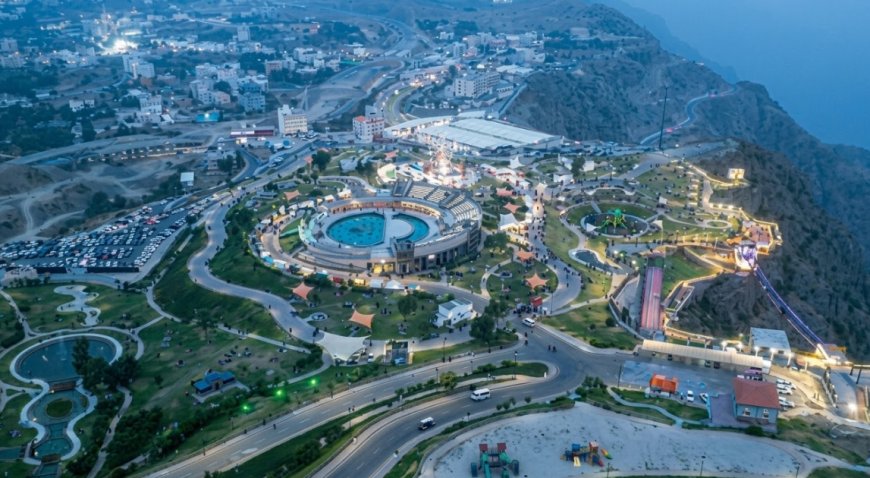
Saudi Arabia is rapidly transforming its tourism landscape by embedding advanced technologies across its hospitality and travel ecosystem. As part of its Vision 2030 roadmap, the Kingdom is leveraging artificial intelligence (AI), augmented reality (AR), virtual reality (VR), and Internet of Things (IoT) solutions to create seamless, personalized, and sustainable travel experiences.
Tourism at the Core of Economic Diversification
Tourism has emerged as a central pillar in Saudi Arabia’s economic diversification strategy. The Kingdom aims to significantly increase the sector’s contribution to GDP while targeting 150 million annual visitors by 2030. To achieve this, Saudi Arabia is investing heavily in technology-led infrastructure and smart destination development.
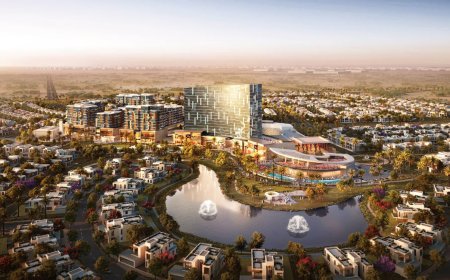
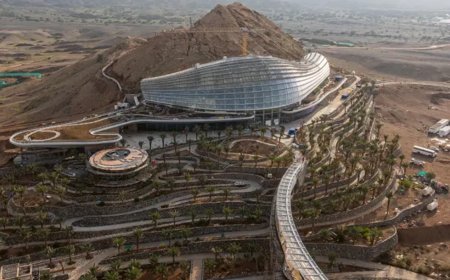
Flagship projects such as NEOM and The Red Sea Project are designed as digitally integrated ecosystems, where technology enhances every stage of the traveler journey—from planning to on-ground experiences.
AI and Immersive Technologies Redefine Visitor Experience
Artificial intelligence is playing a crucial role in reshaping how travelers interact with destinations. From AI-driven itinerary planning to real-time customer support through chatbots, the technology enables highly personalized travel experiences.
Meanwhile, AR and VR are enhancing engagement at cultural and entertainment sites by enabling immersive storytelling. These technologies allow visitors to explore historical narratives, heritage sites, and attractions in interactive and visually engaging ways.
Biometric systems and smart platforms are also simplifying travel processes, including airport procedures and digital visa services, reducing friction and improving convenience.
Data-Driven Infrastructure for Sustainable Growth
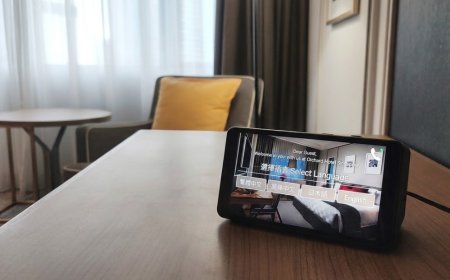
Saudi Arabia is integrating smart infrastructure to improve operational efficiency and sustainability across its tourism sector. IoT-enabled systems are being deployed in hotels and large-scale developments to monitor energy consumption, environmental conditions, and resource utilization in real time.
Destinations like Diriyah are blending cultural preservation with digital innovation. Interactive technologies are being used to enrich visitor engagement while maintaining the authenticity of heritage sites.
In addition, smart mobility solutions—including electric and autonomous transport systems—are expected to enhance connectivity within tourism hubs, creating a more integrated and efficient travel experience.
Shift Toward Personalized and Intelligent Travel
Traveler expectations are evolving rapidly, with a growing reliance on AI-powered tools for trip planning and decision-making. Modern tourists increasingly seek tailored experiences, where services adapt dynamically based on preferences and behavior.
Saudi Arabia’s approach reflects this shift toward intelligent tourism, where real-time data and predictive analytics are used to anticipate traveler needs, improve satisfaction, and encourage repeat visits.
Key Challenges in Smart Tourism Adoption
While the Kingdom is making strong progress, several challenges remain in scaling smart tourism initiatives. A large share of advanced technologies is currently sourced from global markets, underscoring the need for local innovation and capability development.
Talent shortages in areas such as AI, data science, and immersive technologies also present hurdles, requiring focused upskilling programs and international collaborations.
Additionally, the rollout of critical infrastructure—including 5G networks, cloud platforms, and smart transport systems—is ongoing. Delays in deployment could impact the effectiveness of real-time, data-driven applications.
Regulatory clarity around data privacy, cybersecurity, and technology standards will be essential to ensure secure and consistent implementation.
Future Outlook: A Technology-Driven Tourism Hub
Saudi Arabia’s investment in smart tourism highlights its ambition to become a global leader in next-generation travel experiences. By combining large-scale destination development with cutting-edge technology, the Kingdom is creating a tourism ecosystem that is both innovative and sustainable.
As infrastructure matures and local capabilities strengthen, Saudi Arabia is well-positioned to set new benchmarks in smart tourism—offering intelligent, immersive, and future-ready travel experiences on a global scale.
What's Your Reaction?
 Like
0
Like
0
 Dislike
0
Dislike
0
 Love
0
Love
0
 Funny
0
Funny
0
 Angry
0
Angry
0
 Sad
0
Sad
0
 Wow
0
Wow
0