





















Middle East Food & Beverage Industry Enters a High-Growth, High-Accountability Era
The Middle East food and beverage industry is entering a new era driven by wellness-led consumption, supply chain resilience, sustainability integration, and strategic trade partnerships. Across the GCC, buyers demand transparency, traceability, and consistent performance. As global suppliers strengthen regional alliances, the market is evolving into a smarter, more accountable, and future-ready food ecosystem.

The Middle East food and beverage (F&B) sector is accelerating into a new phase defined by innovation, operational discipline, and smarter growth strategies. Once characterized primarily by rapid expansion and strong import demand, the region’s food economy is now being reshaped by health-conscious consumers, sustainability benchmarks, and resilient supply chain models.
Across the GCC, food trade is no longer just about volume. It is about verified quality, traceable sourcing, efficiency across the value chain, and long-term commercial partnerships. This structural shift is positioning the region as one of the most strategically dynamic F&B markets globally.
Wellness-Driven Food Trends Gain Momentum in the GCC
Health-focused consumption is becoming mainstream across the Middle East. Demand for functional foods, plant-based alternatives, fortified ingredients, reduced-sugar products, and clean-label offerings continues to grow across both retail and foodservice channels.
Consumers are increasingly evaluating food products based on ingredient transparency, nutritional value, and portion control. Importantly, wellness is no longer limited to premium categories. Affordable health-forward products are gaining shelf space as brands adapt to a broader demographic seeking better-for-you choices.
For suppliers and manufacturers, scalability is critical. Innovation must meet both nutritional expectations and commercial viability to succeed in GCC markets.
Traceability and Food Transparency Become Procurement Standards
Transparency is quickly becoming a non-negotiable requirement in the Middle East F&B supply chain. Retailers, hospitality groups, and distributors are prioritizing suppliers who can demonstrate clear origin documentation, food safety compliance, and consistent production standards.
Traceability systems, digital tracking tools, and certification-backed sourcing models are strengthening buyer confidence. This shift reflects a more mature and accountability-driven marketplace, where vague product claims are no longer sufficient.
As regulatory oversight strengthens across the region, food businesses are aligning procurement decisions with verifiable sourcing credentials and measurable quality benchmarks.
Sustainability Moves to the Core of Food Business Strategy
Sustainability in the GCC food sector is evolving from brand positioning to operational strategy. Responsible sourcing, waste reduction programs, optimized logistics, and environmentally conscious packaging are increasingly integrated into procurement and distribution frameworks.
Companies are adopting measurable environmental targets while balancing profitability and supply stability. Energy-efficient cold chains, reduced food waste initiatives, and supplier audits are becoming central to long-term planning.
Rather than treating sustainability as a marketing narrative, businesses are embedding it into everyday decision-making to build resilience and protect margins in volatile global conditions.
Resilient Supply Chains Drive Competitive Advantage
The Middle East remains a major global food import hub, supported by strong retail expansion, hospitality growth, and rising consumer spending. However, recent global disruptions have reinforced the importance of supply chain resilience.
Retailers and foodservice operators are prioritizing partners who can ensure uninterrupted supply, stable pricing, and consistent quality delivery. Integrated logistics networks and diversified sourcing strategies are increasingly viewed as competitive advantages.
Global suppliers entering the GCC are focusing on long-term presence, reliable distribution partnerships, and scalable growth models rather than short-term transactional gains.
Strategic Partnerships Replace Transactional Trade
The F&B landscape in the region is witnessing a shift from one-off deals to structured, long-term partnerships. Distribution alliances, cross-border trade collaborations, and regional expansion strategies are gaining momentum.
Strong local partnerships are essential for navigating regulatory frameworks, optimizing logistics, and achieving faster market penetration. This relationship-driven approach is strengthening trade corridors and enhancing operational efficiency across GCC markets.
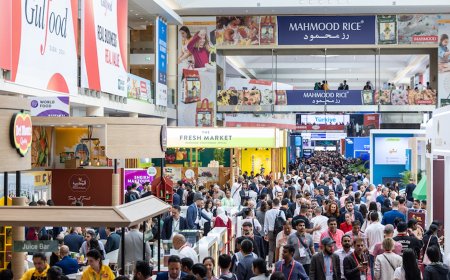
Industry platforms such as Gulfood, hosted at the Dubai World Trade Centre, continue to play a significant role in connecting global suppliers with regional buyers, reflecting the sector’s evolving priorities.
The Future of the Middle East F&B Market
The Middle East food and beverage sector is entering a more disciplined and performance-focused era. Growth remains strong, but expectations are higher. Products must deliver health benefits with affordability. Supply chains must prove resilience. Sustainability initiatives must show measurable impact. Partnerships must create long-term value.
As consumer sophistication rises and procurement standards tighten, the region’s F&B ecosystem is becoming smarter, more transparent, and more future-ready.
Businesses that combine innovation, accountability, and operational strength will define the next chapter of growth in the Middle East food economy.
What's Your Reaction?
 Like
0
Like
0
 Dislike
0
Dislike
0
 Love
0
Love
0
 Funny
0
Funny
0
 Angry
0
Angry
0
 Sad
0
Sad
0
 Wow
0
Wow
0