














Middle East to Welcome 187 New Hotels by 2027 in Major Tourism Push
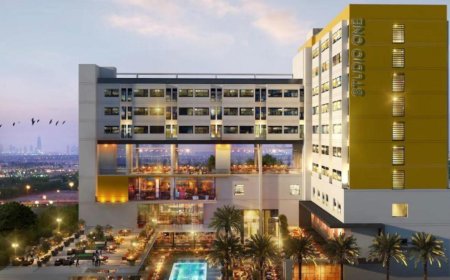
The Middle East is set to add 187 new hotels by 2027, marking one of the region’s largest hospitality expansion phases. Saudi Arabia, the UAE and Egypt are leading the development pipeline with luxury resorts, business hotels and boutique properties across major cities and emerging destinations. Backed by long-term tourism strategies, the expansion aims to increase room capacity, attract international travellers and strengthen the Middle East’s position as a global tourism and investment hub.

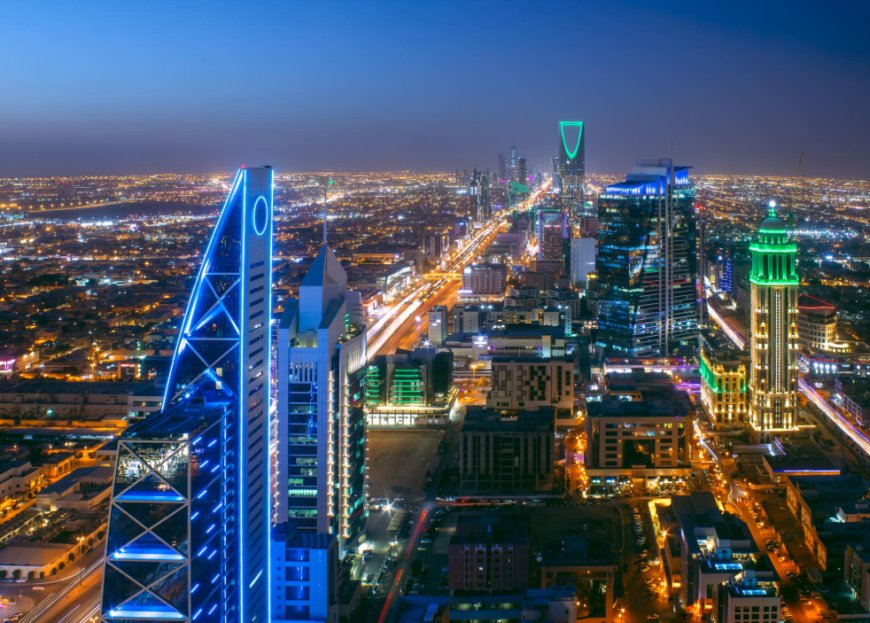
The Middle East hospitality sector is undergoing a significant expansion, with 187 new hotels scheduled to open by 2027. The development pipeline highlights the region’s accelerating tourism ambitions and growing appeal among global travellers.
Key markets driving this growth include Saudi Arabia, United Arab Emirates, and Egypt, each advancing large-scale tourism infrastructure projects aimed at increasing international visitor numbers and diversifying national economies.
Saudi Arabia Leads Regional Hotel Development
Saudi Arabia accounts for the largest share of the upcoming hotel openings in the Middle East. Cities such as Riyadh, Jeddah and Makkah are witnessing rapid hospitality expansion to meet rising demand from business, leisure and religious tourism segments.
The growth aligns with the Kingdom’s Vision 2030 strategy, which prioritises tourism as a pillar of economic diversification. New properties include urban business hotels, luxury resorts along the Red Sea coastline and large-scale developments near cultural and heritage attractions.
This surge in hotel construction is expected to significantly increase room supply and elevate the country’s global tourism profile.
UAE Strengthens Luxury and Lifestyle Offerings
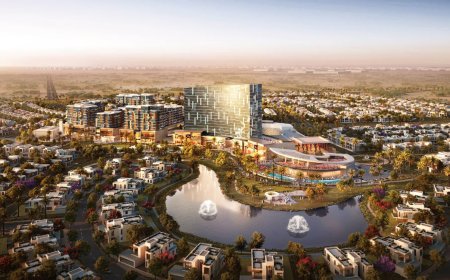
The United Arab Emirates continues to expand its hospitality portfolio, particularly in Dubai and Abu Dhabi. The new pipeline includes luxury beachfront resorts, lifestyle hotels and integrated mixed-use developments combining retail, entertainment and accommodation.
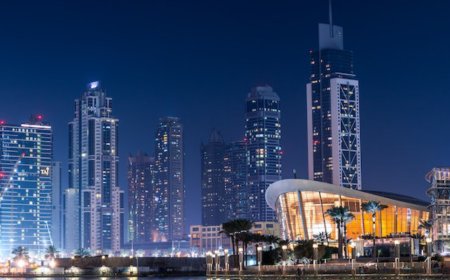
Dubai remains at the forefront of the region’s hotel growth, adding thousands of new rooms designed to cater to high-end travellers and international business visitors. The UAE’s strategy focuses on maintaining its status as a leading global hub for tourism, MICE and premium travel experiences.
Egypt Accelerates Hotel Construction to Boost Visitor Numbers
Egypt is also expanding its hospitality capacity across Cairo, Alexandria and Red Sea destinations. The country aims to enhance accommodation standards while supporting long-term tourism growth.
Developments include luxury beachfront resorts and city-centre boutique hotels, allowing visitors to experience both ancient cultural landmarks and modern hospitality infrastructure. The expansion strengthens Egypt’s competitiveness as a cultural and leisure tourism destination.
Luxury and Boutique Hotels Dominate the Pipeline
A significant portion of the 187 upcoming hotels falls within the luxury and boutique segments. Developers are focusing on prime coastal locations, heritage districts and urban business hubs.
International hotel brands are increasing their footprint in the region, introducing premium concepts that cater to affluent travellers, wellness tourism and experiential travel. Boutique properties are also gaining traction by offering personalised, culturally inspired stays.
Emerging Secondary Markets Gain Attention
Beyond major cities, secondary markets are seeing increased investment. Destinations in Oman, Qatar and other Gulf locations are adding new properties aimed at travellers seeking quieter, experience-driven stays.
This diversification allows tourists to explore lesser-known destinations while enjoying high-quality hospitality standards, contributing to broader regional tourism growth.
What 187 New Hotels Mean for Travellers
The expansion of hotel supply across the Middle East by 2027 will offer:
-
Greater room availability
-
Enhanced luxury and lifestyle choices
-
Competitive pricing due to increased supply
-
Improved infrastructure for business and leisure travel
-
Better access to cultural, coastal and desert attractions
For international visitors, the Middle East is becoming more accessible, diverse and experience-focused.
A Transformative Era for Middle East Tourism
The addition of 187 new hotels represents more than capacity growth. It signals a strategic shift in how the Middle East positions itself within global tourism markets.
With strong government backing, infrastructure investment and brand participation, the region is strengthening its appeal as a world-class destination for leisure, business and religious travel.
As Saudi Arabia, the UAE and Egypt continue expanding their hospitality sectors, the Middle East is poised to enter a defining era of tourism growth by 2027.
What's Your Reaction?
 Like
0
Like
0
 Dislike
0
Dislike
0
 Love
0
Love
0
 Funny
0
Funny
0
 Angry
0
Angry
0
 Sad
0
Sad
0
 Wow
0
Wow
0