




















Virtual Reality Marketing for Hotels: How Immersive Technology Is Transforming Hospitality
Virtual reality marketing is transforming the hospitality industry by enabling immersive hotel tours, destination previews and interactive guest experiences. This SEO-optimized guide explains how hotels can leverage VR technology to increase engagement, strengthen brand differentiation and drive bookings in a competitive digital marketplace.

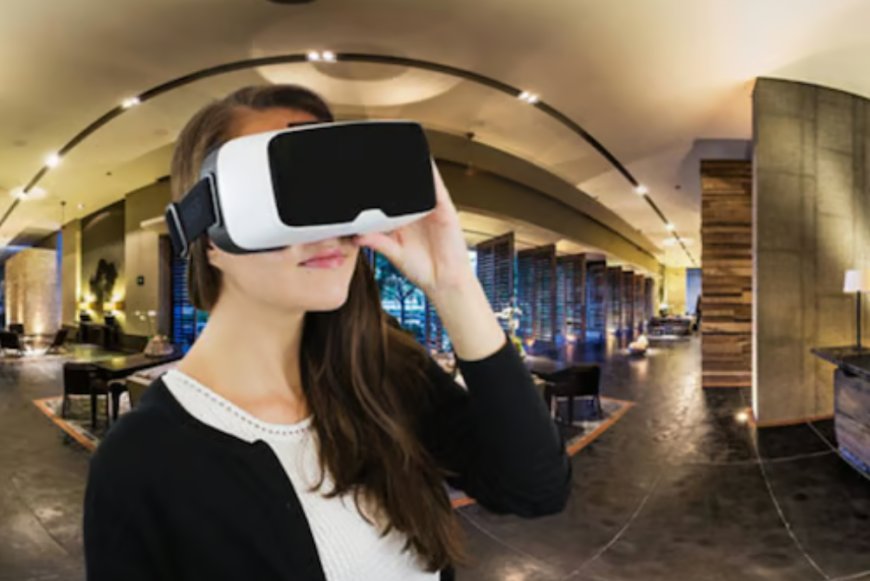
Virtual Reality (VR) is no longer a futuristic concept — it is becoming a practical marketing tool across industries, including hospitality. As travellers demand richer digital experiences before making booking decisions, VR marketing for hotels is emerging as a powerful strategy to increase engagement, inspire travel and drive direct conversions.
From immersive room tours to destination previews, virtual reality allows hotels to showcase experiences in ways that traditional photos and videos cannot match.
What Is Virtual Reality in Hospitality?
Virtual Reality refers to immersive, interactive digital environments that simulate real-world spaces. Using head-mounted displays or mobile-compatible 360-degree viewers, users can explore hotel rooms, lobbies, restaurants and surrounding attractions as if they were physically present.
Unlike static visuals, VR offers:
-
Real-time spatial exploration
-
Interactive navigation
-
Immersive storytelling
-
Stronger emotional engagement
For hotels, this means giving potential guests a realistic preview of their stay before they arrive.
Benefits of Virtual Reality Marketing for Hotels
1. Increased Booking Confidence
Travellers often hesitate when booking unfamiliar properties. VR tours reduce uncertainty by allowing guests to explore layouts, amenities and views in detail.
2. Higher Engagement Rates
Interactive content typically generates longer user sessions and stronger recall compared to standard digital advertisements.
3. Competitive Differentiation
In crowded online travel marketplaces, VR content helps hotels stand out by offering an advanced and memorable experience.
4. Enhanced Storytelling
Hotels can go beyond room tours by showcasing spa treatments, culinary experiences, event spaces and nearby attractions.
How Leading Hospitality Brands Use VR
Several global travel brands have experimented with immersive campaigns to inspire bookings and brand loyalty.
For example, Marriott International introduced immersive destination activations to demonstrate how experiential storytelling can stimulate travel intent.
Tour operators such as Thomas Cook integrated VR previews into retail environments to help customers visualise destinations before purchasing packages.
Destination marketing organisations like Destination British Columbia have also leveraged 360-degree content to highlight regional landscapes and attract global visitors.
These initiatives show that immersive marketing enhances emotional connection and brand credibility.
Practical Applications of VR for Hotels
Virtual Room and Suite Walkthroughs
Interactive 360-degree tours allow users to explore accommodations in detail, including room size, décor and views.
Event and Conference Previews
MICE planners can virtually tour ballrooms and meeting spaces before confirming bookings.
Destination Immersion
Hotels can showcase nearby beaches, heritage sites or adventure activities to increase destination appeal.
Trade Show and Sales Activations
VR stations at hospitality expos attract attention and create memorable brand interactions.
Integrating VR into a Hotel Marketing Strategy
To maximise effectiveness, hotels should:
-
Optimise VR experiences for both headsets and mobile devices
-
Integrate immersive content into websites and booking engines
-
Promote VR previews across social media and email campaigns
-
Align VR storytelling with brand identity
VR should complement, not replace, existing digital marketing strategies such as SEO, paid media and content marketing.
Challenges and Considerations
While VR offers strong potential, hotels must consider:
-
Production costs for high-quality 360-degree content
-
Regular updates to reflect renovations or seasonal changes
-
Ensuring seamless user experience across devices
-
Avoiding novelty-driven campaigns without clear ROI objectives
Strategic implementation ensures that VR enhances rather than complicates marketing efforts.
The Future of VR in Hospitality Marketing
As hardware becomes more affordable and immersive platforms expand, VR is likely to become a standard component of digital marketing.
Future developments may include:
-
AI-driven personalised virtual tours
-
Interactive virtual concierge services
-
Integration with metaverse environments
-
Real-time booking within immersive experiences
Hotels that adopt immersive technology early and focus on authentic storytelling will gain long-term brand advantages.
Conclusion
Virtual reality marketing is reshaping how hotels engage with potential guests. By offering immersive previews and interactive storytelling, VR bridges the gap between digital inspiration and real-world travel.
For hotels seeking to enhance guest engagement, increase booking confidence and future-proof their marketing strategy, virtual reality represents not just a trend — but a transformative opportunity in the evolving hospitality landscape.
What's Your Reaction?
 Like
0
Like
0
 Dislike
0
Dislike
0
 Love
0
Love
0
 Funny
0
Funny
0
 Angry
0
Angry
0
 Sad
0
Sad
0
 Wow
0
Wow
0