

















Oman–UAE Cross-Border Railway Gains Momentum with Hafeet Rail Financing Breakthrough
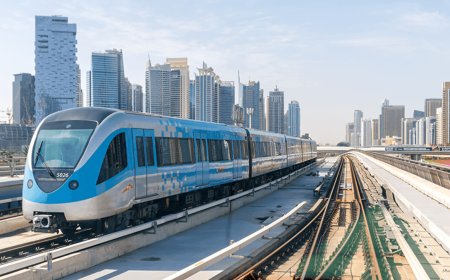
The Oman–UAE cross-border railway, led by the Oman–Etihad Rail Company, is progressing with a $2.5 billion financing structure under the Hafeet Rail project. The 303-km network will connect Sohar and Abu Dhabi, reduce passenger travel time to 100 minutes and enhance freight efficiency. As the GCC’s first cross-border rail project financed on a limited recourse basis, it will boost trade, tourism, sustainability and regional economic integration.

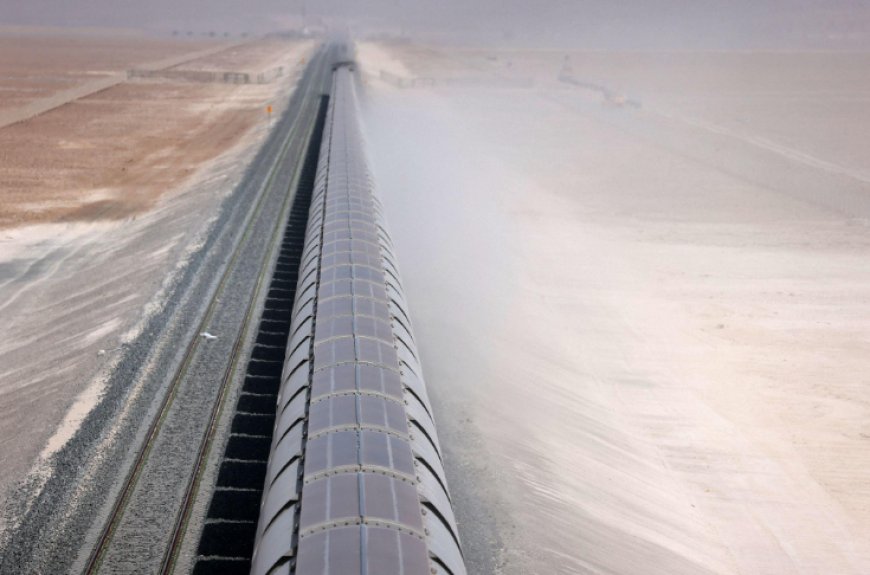
Oman–Etihad Rail Company to Deliver Strategic 303-km Network
The Sultanate of Oman and the United Arab Emirates are advancing a landmark cross-border railway through the newly formed Oman–Etihad Rail Company. The joint venture brings together Oman Rail, part of Asyad Group, and Etihad Rail to oversee the design, development, financing and future operation of the rail corridor connecting Sohar and Abu Dhabi.
The 303-kilometre railway will integrate with existing national rail systems while meeting the regulatory and technical standards of both countries.
Faster Passenger Travel and High-Capacity Freight Services
Passenger trains are expected to operate at speeds of up to 200 km/h, reducing travel time between Sohar and Abu Dhabi to approximately 1 hour and 40 minutes, and between Sohar and Al Ain to under one hour. Freight trains will reach speeds of up to 120 km/h, significantly enhancing cargo efficiency across borders.
Each freight journey is designed to carry substantial cargo volumes, supporting port-to-port connectivity and linking industrial zones to regional markets.
Hafeet Rail: GCC’s First Cross-Border Project Finance Model
Branded as the Hafeet Rail project, the initiative represents the Gulf Cooperation Council’s first cross-border rail network financed under a limited recourse project finance structure. The development includes participation from Mubadala Investment Company and spans approximately 238 kilometres in its initial phase.
Infrastructure components include 60 bridges and multiple tunnels extending up to 2.5 kilometres, enabling seamless travel across complex terrain. The project sets a benchmark for future regional rail ventures, particularly in managing cross-border regulatory and operational frameworks.
$2.5 Billion Investment and Multi-Bank Support
The project secured approximately US$2.5 billion in overall investment, including US$1.5 billion in project finance debt from a consortium of 17 local, regional and international banks. The financing package combines conventional and Islamic facilities denominated in UAE dirhams and Omani rials, structured with multi-tenor arrangements to balance refinancing risk.
Sponsors maintained a disciplined 60:40 debt-to-equity ratio, reflecting long-term confidence in the commercial sustainability of the railway once operational.
Economic Growth, Trade Expansion and Sustainability Goals
The Oman–UAE rail corridor is expected to significantly enhance supply chain efficiency, reduce logistics costs and facilitate smoother cross-border trade. By linking Sohar Port with the UAE’s national rail network, the project will strengthen both countries’ positions as regional logistics hubs.
Industries such as mining, steel, agriculture, retail, petrochemicals and e-commerce are projected to benefit from improved freight reliability and cost efficiency. Additionally, the railway supports tourism growth through faster passenger mobility between major cities.
From a sustainability perspective, shifting freight from road to rail is expected to reduce carbon emissions and support national net-zero ambitions, particularly aligning with the UAE’s 2050 climate strategy.
A Milestone in GCC Infrastructure Integration
The Oman–UAE railway marks a new era of infrastructure collaboration in the Gulf. Beyond improving transport efficiency, it reinforces economic integration, boosts private-sector opportunities and positions the region as a competitive player in global logistics and trade networks.
As construction advances, the project stands as a model for future cross-border rail developments across the GCC.
What's Your Reaction?
 Like
0
Like
0
 Dislike
0
Dislike
0
 Love
0
Love
0
 Funny
0
Funny
0
 Angry
0
Angry
0
 Sad
0
Sad
0
 Wow
0
Wow
0