















Red Sea International Airport: A Sustainable Aviation Gateway Supporting Saudi Arabia’s Vision 2030 Tourism Strategy
Red Sea International Airport in Saudi Arabia began operations in September 2023 and serves as the main aviation gateway to The Red Sea and AMAALA luxury tourism destinations. Developed by Red Sea Global, the airport features advanced smart technology, sustainable renewable energy systems, and modern passenger facilities designed for seamless travel experiences. Located along Saudi Arabia’s western coast, the airport supports Vision 2030 by strengthening tourism infrastructure, improving connectivity, and promoting environmentally responsible aviation.

Introduction to Red Sea International Airport
Red Sea International Airport is one of Saudi Arabia’s most significant aviation infrastructure projects developed to support the Kingdom’s rapidly expanding tourism industry. Located along the western coast of Saudi Arabia, the airport serves as the primary air gateway to The Red Sea destination and the AMAALA luxury tourism developments.
Developed by Red Sea Global, the airport officially began operations in September 2023, welcoming its first domestic flight. The facility has been designed to support the long-term goals of Saudi Arabia’s Vision 2030, which aims to diversify the country’s economy by expanding tourism, hospitality, and sustainable infrastructure projects.
Strategic Location on Saudi Arabia’s Red Sea Coast
Red Sea International Airport is situated approximately 90 kilometres south of the coastal town of Al Wajh in the western region of Saudi Arabia. Its location places it close to the emerging Red Sea tourism developments that are expected to attract international visitors seeking luxury travel experiences.
The airport’s geographic position provides strong global connectivity, with an estimated 250 million people living within a three-hour flight radius. This accessibility makes the airport a convenient entry point for travellers from the Middle East, Europe, Asia, and parts of Africa.
By improving access to the region, the airport is expected to play a crucial role in strengthening Saudi Arabia’s tourism connectivity.
Supporting the Red Sea Tourism Development
Red Sea International Airport is a central infrastructure component of The Red Sea Project, one of the Kingdom’s most ambitious tourism developments.
The destination includes more than 90 islands, pristine coastal environments, volcanic landscapes, desert terrain, and mountain regions. Planned developments across the area include luxury resorts, residential communities, entertainment facilities, and commercial spaces.
The airport enables direct access to these tourism developments, allowing visitors to travel efficiently to resorts and attractions while supporting the region’s long-term tourism growth.
Architectural Design Inspired by the Desert Landscape
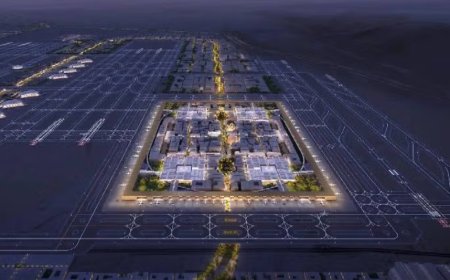
The airport covers an area of approximately 28 square kilometres, making it one of the largest airport developments built specifically to support a tourism destination.
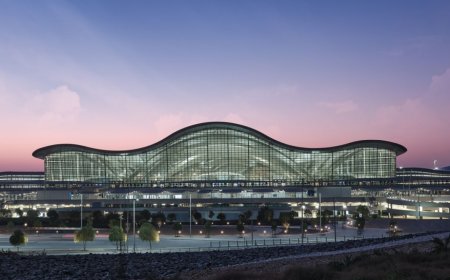
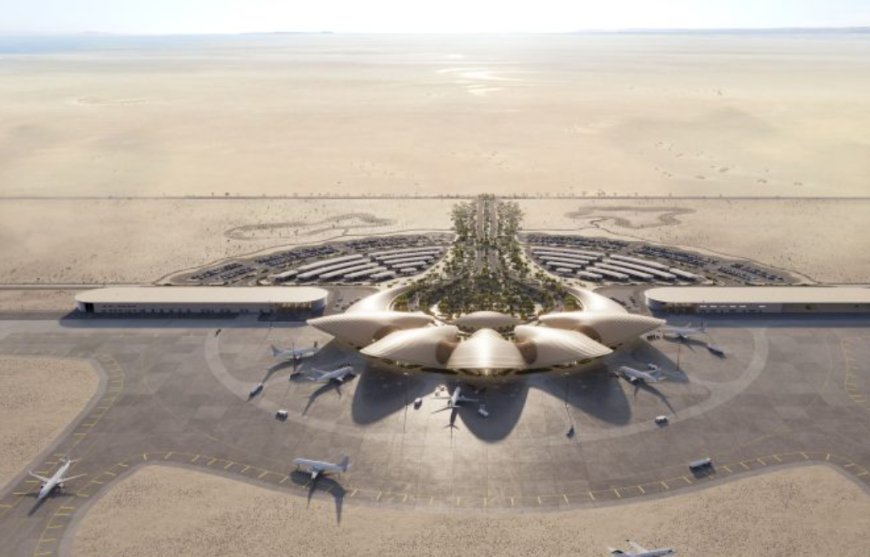
Its architectural design draws inspiration from the surrounding desert environment, particularly the flowing shapes of sand dunes. The terminal structure features curved roof forms that provide shade and protect passengers from the region’s intense sunlight.
Interior spaces have been designed to reflect a luxury hospitality environment, incorporating natural materials, calming colour palettes, and spacious layouts that create a comfortable passenger experience.
Smart Airport Technology and Contactless Travel
Red Sea International Airport incorporates advanced digital technologies to create a seamless and efficient passenger journey.
The airport features biometric identification systems, automated security processes, and digital travel management platforms that allow passengers to manage key travel steps through mobile applications.
These technologies enable contactless services such as digital boarding passes, automated passport control, and streamlined baggage handling, reducing wait times and improving the overall travel experience.
Passenger Terminal Design and Amenities
The terminal building has been designed to offer travellers a calm and welcoming environment inspired by natural landscapes.
A central feature of the terminal is an internal landscaped oasis, which includes green spaces and gardens designed to create a relaxing atmosphere for passengers before their journeys.
Arrival areas guide travellers through natural landscape elements toward the welcome centre, while departure areas provide spacious lounges and waiting zones designed to accommodate passengers comfortably.
The airport also includes five departure suites, allowing travellers to transition smoothly from transport vehicles to aircraft boarding areas.
Runways and Airside Infrastructure
The airport’s airside infrastructure includes a 3,700-metre Code F runway, capable of accommodating large commercial aircraft used for international travel.
Additionally, the airport features a 525-metre seaplane runway, designed to support specialised aviation services for the surrounding coastal and island destinations.
Other infrastructure includes taxiways, helipads, aeronautical navigation systems, ground lighting, and operational facilities necessary for safe and efficient airport operations.
Sustainability and Renewable Energy Integration
Sustainability is a central principle of Red Sea International Airport’s design and operations. The airport is designed to operate entirely on renewable energy, supporting environmentally responsible aviation infrastructure.
Energy-efficient building designs, shaded areas, and natural ventilation systems help reduce energy consumption across the facility.
The landscape design also incorporates native plant species, which require less water and are better suited to the local climate. These features help minimize environmental impact while enhancing the natural beauty of the airport environment.
Collaboration with Global Design and Engineering Partners
The development of Red Sea International Airport involved collaboration with several international architecture, engineering, and construction partners.
The airport’s architectural design was led by Foster + Partners, while engineering and infrastructure support involved global consultants and construction contractors.
Landscape design specialists contributed to the creation of green spaces and gardens that reflect the natural ecosystem of the Red Sea region.
This collaborative approach ensured that the airport meets international aviation standards while maintaining a design identity inspired by Saudi Arabia’s natural environment.
Strengthening Saudi Arabia’s Aviation and Tourism Future
Red Sea International Airport represents a major step forward in Saudi Arabia’s aviation infrastructure development and tourism ambitions.
By providing direct air connectivity to one of the Kingdom’s most important tourism destinations, the airport supports the growth of luxury tourism while strengthening the country’s global travel network.
As new resorts and attractions continue to open across the Red Sea destination, the airport will play a vital role in welcoming international visitors and supporting the long-term success of Saudi Arabia’s tourism sector.
What's Your Reaction?
 Like
0
Like
0
 Dislike
0
Dislike
0
 Love
0
Love
0
 Funny
0
Funny
0
 Angry
0
Angry
0
 Sad
0
Sad
0
 Wow
0
Wow
0